
tempered glass is used in
Soorten Waterkranen Een Overzicht Waterkranen zijn essentiële componenten in zowel huishoudelijke als industriële toepassingen. Ze spelen een cruciale rol in de regulatie van waterstromen en zorgen voor efficiënt gebruik van water. In dit artikel bespreken we de verschillende soorten waterkranen en hun toepassingen. 1. Kogelkranen Kogelkranen zijn een van de meest populaire typen kranen. Ze bestaan uit een bolvormige afsluitklep die in de pijp draait om de waterstroom te regelen. Wanneer de bol in lijn staat met de pijp, kan het water vrij stromen; wanneer deze 90 graden draait, wordt de stroom volledig afgesloten. Kogelkranen zijn zeer betrouwbaar en hebben een lange levensduur, wat ze ideaal maakt voor zowel huishoudelijke als commerciële toepassingen. 2 . Klep- en Schuifkranen Klep- en schuifkranen zijn andere veelvoorkomende types. Klepkranen maken gebruik van een schuifmechanisme dat omhoog of omlaag beweegt om de waterstroom te controleren. Deze kranen zijn vaak te vinden in oudere gebouwen en worden soms nog steeds gebruikt vanwege hun eenvoudige constructie en lage kosten. Schuifkranen werken op een vergelijkbare manier en kunnen een goede optie zijn voor toepassingen waarbij een constante waterstroom vereist is. 3. Draai- of Herbruikbare Kransen types of water valve Draai- of herbruikbare kranen zijn ideaal voor toepassingen waarbij water regelmatig moet worden open- of dichtgedraaid. Ze zijn vaak te vinden in de tuin of bij buitenkranen en zijn ontworpen om gemakkelijk met de hand te bedienen. Deze kranen zijn gebruiksvriendelijk en kunnen snel worden geopend of gesloten, wat ze zeer praktisch maakt voor dagelijks gebruik. 4. Vernieuwbare of Thermostatische Kranten Vernieuwbare of thermostatische kranen zijn moderne innovaties in de wereld van waterbeheer. Deze kranen zijn uitgerust met een thermostaat die automatisch de temperatuur van het water regelt. Dit type kraan is vooral handig voor douches en baden, waar gebruikers een constante watertemperatuur willen zonder voortdurend te hoeven draaien aan de knop. 5. Elektronische en Slimme Kranten Met de opkomst van technologie zijn elektronische en slimme kranen steeds gebruikelijker geworden. Deze kranen maken gebruik van sensoren om water in en uit te schakelen zonder dat je ze hoeft aan te raken. Dit is niet alleen hygiënisch maar bespaart ook water, omdat ze automatisch afsluiten wanneer ze niet in gebruik zijn. Slimme kranen zijn vaak integreerbaar met slimme home-systemen, waardoor gebruikers controle hebben over hun waterverbruik via hun smartphone. Conclusie Het kiezen van de juiste waterkraan hangt af van de specifieke behoeften van de gebruiker en de toepassing. Of het nu gaat om kogelkranen voor betrouwbaarheid, schuifkranen voor eenvoudige bediening, of slimme kranen voor technologische integratie, er is altijd een geschikte optie beschikbaar. Het begrijpen van de verschillende soorten kranen kan bijdragen aan een beter waterbeheer en het optimaliseren van het waterverbruik in zowel huishoudens als bedrijven. Door te investeren in de juiste waterkranen kan men niet alleen kosten besparen, maar ook bijdragen aan een duurzamere toekomst.
about
tempered glass is used in
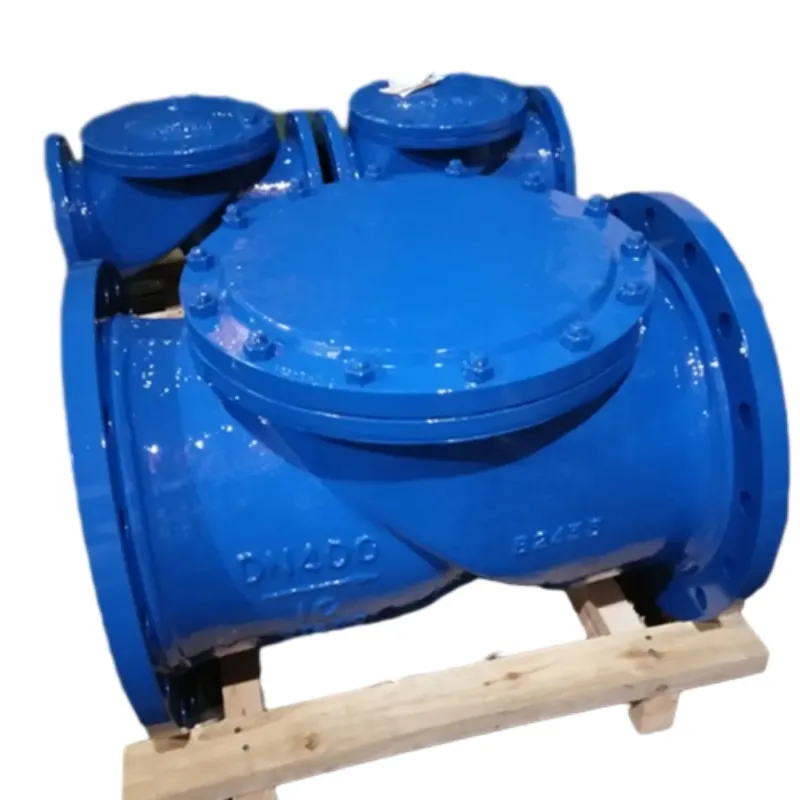
Replacing the Main Water Valve A Comprehensive Guide The main water valve is a crucial component in any plumbing system. It controls the flow of water into your home. Over time, this valve may develop leaks, become corroded, or fail to operate properly, leading to water supply issues. Replacing a faulty main water valve is essential to ensure a steady flow of water and prevent potential damage to your plumbing system. Here is a comprehensive guide on how to replace the main water valve effectively. Understanding the Main Water Valve Before diving into the replacement process, it's important to understand what the main water valve is and where it is located. The main water valve is usually found near the point where the water line enters your home, often in the basement, crawl space, or outside by the foundation. It is typically a quarter-turn valve that allows you to shut off the water supply to your entire home. Signs Your Valve Needs Replacing 1. Leaks If you notice water pooling around the valve, or if water drips continuously, it’s a sure sign that the valve may need to be replaced. 2. Corrosion Visible rust or corrosion on the valve body may indicate that it’s deteriorating and could fail soon. 3. Difficulty Turning the Valve If the valve is difficult to operate or does not fully shut off the water supply, replacement is likely necessary. 4. Age If your home was built many years ago and still has the original valve, consider replacing it as a preventative measure. Tools and Materials Needed Before starting the replacement, gather the following tools and materials - Pipe wrench or adjustable pliers - Screwdriver - Replacement main water valve - Teflon tape (plumber’s tape) - Towels or rags (to clean up any spills) - Bucket (to catch excess water) Step-by-Step Replacement Process replacing main water valve 1. Turn Off the Water Supply Locate the main water supply line leading to your home and turn off the water supply. This step is critical to prevent a mess and potential flooding. 2. Drain the Lines Open faucets throughout your home to drain any remaining water from the pipes. This will relieve pressure and minimize water spillage during the replacement. 3. Remove the Old Valve Using a pipe wrench, carefully loosen and unscrew the flanged connections of the existing valve. Be cautious as some remaining water may still leak out. Use towels or a bucket to catch any spills. 4. Prepare the New Valve Before installing the new valve, wrap the threads of the valve with Teflon tape to ensure a watertight seal. 5. Install the New Valve Position the new valve in place and secure it by tightening the connections with your pipe wrench. Ensure it is aligned correctly and the valve can easily be operated. 6. Turn On the Water Supply Once the new valve is installed, gradually turn the water supply back on. Check for any leaks around the new valve connections and tighten them if necessary. 7. Test the Valve Turn the valve to ensure it opens and closes smoothly. Test the water flow in your home to confirm that it operates correctly. Conclusion Replacing your main water valve may seem daunting, but with the right tools and a little bit of time, it can be accomplished successfully. Regular maintenance and timely replacement of plumbing components like the main water valve can save you from more significant issues in the future, ensuring your home remains a safe and comfortable place. If you are uncomfortable performing this task or run into complications, do not hesitate to contact a professional plumber for assistance.
-

High quality industrial productsagement

High quality industrial products
View Details -

Meet the diverse needs of customers

Meet the diverse needs of customers
View Details -

Strict quality control

Strict quality control
View Details -

Top raw materials

Top raw materials
View Details -

Trusted supplier

Trusted supplier
View Details
Our application

news and information
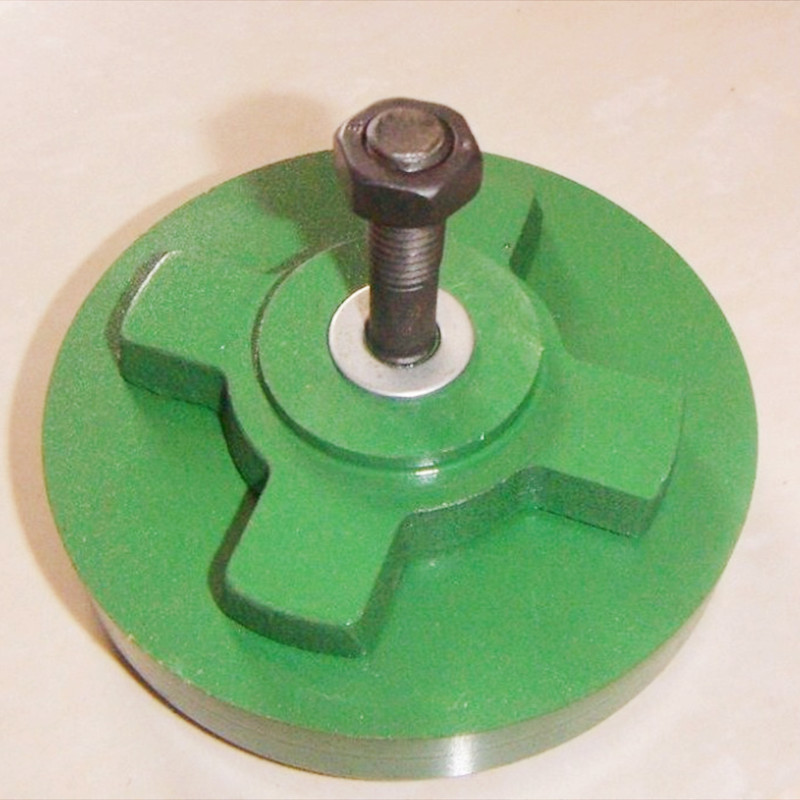
Water Valve Emergency Shutoff Procedure for Residential Systems
water valve shut off .
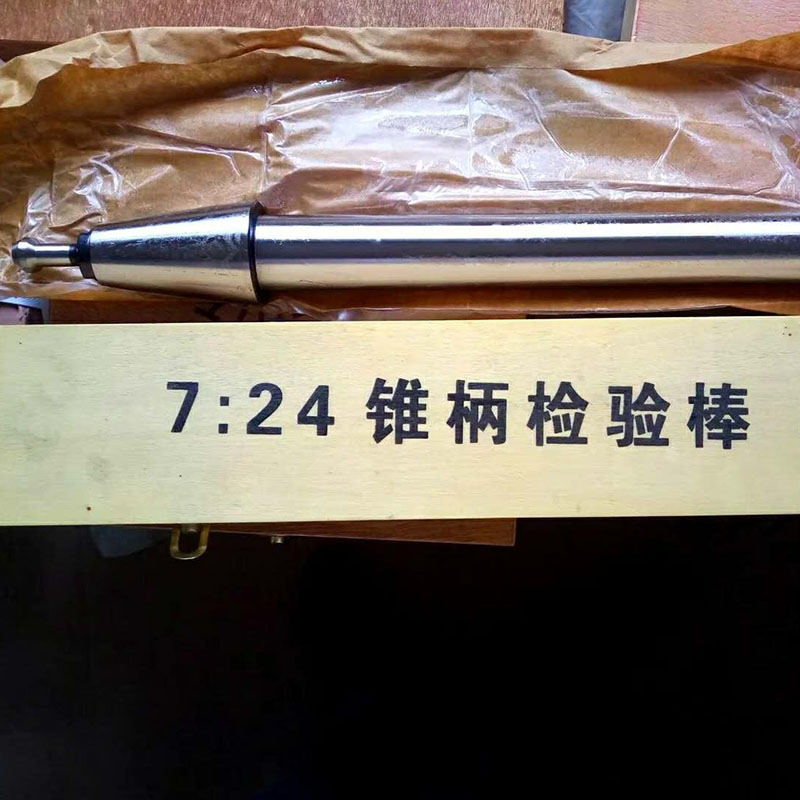
Utilize brackets for wood connection
The Indispensable Role of Brackets in Wood Joinery In the realm of woodworking, brackets play an es
valve metal
The Significance of Valve Metals in Modern Technology Valve metals play a crucial role in various in
 English